
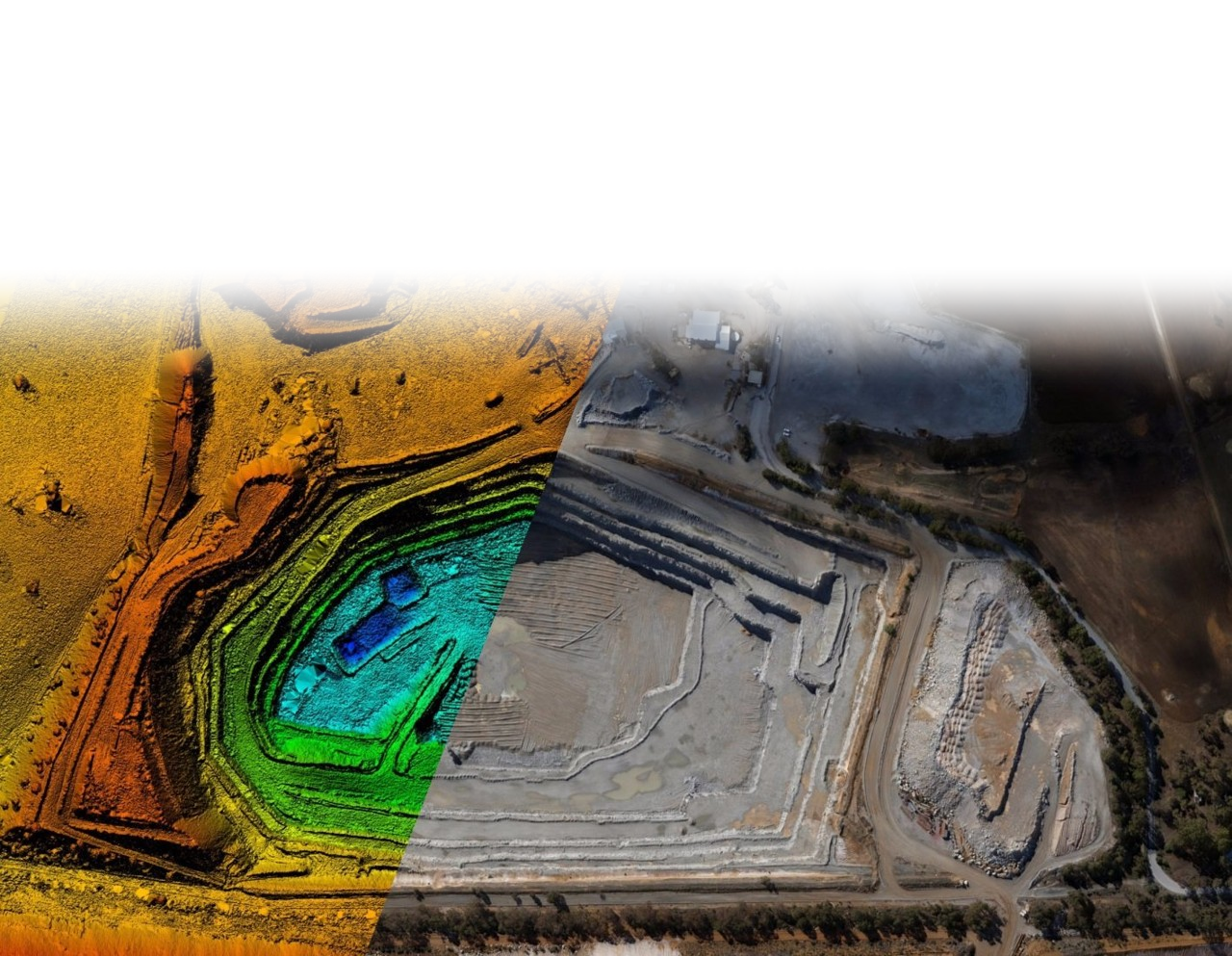
Automated Mine Survey with DJI Dock 3 and Flighthub2
Introduction
Drone surveys were quickly adopted by mining for volumetrics, conformance and post-blast analysis for the better part of a decade. However, traditional surveys were limited by pilot availability and site conditions. Capture got deferred, delayed or reduced in scope. This meant data arrived after the decision it was meant to inform.
The DJI Dock removes the pilot from the site and turns survey capture into a scheduled system function, using the same parameters every time and handing it straight to processing.
Background and Pain Points
• Survey capture competes with surveying. Most mines use surveyors or engineers to fly, but these personnel are in short supply and carry heavy workloads. This reduces efficiency and limits the drone program's applicability.
• Capture happens when the site allows, not when the data is needed. Blasting, haulage movements and access restrictions all delay manual/automated flight set-ups. For post-blast ore movement in particular, capture timing is especially important.
• Multiple pilots produce data that will not compare. Where multiple drones and operators are in use, mission planning and processing parameters vary between them. This inconsistency can undermine change detection and reduce comparability between flights.
System Introduction
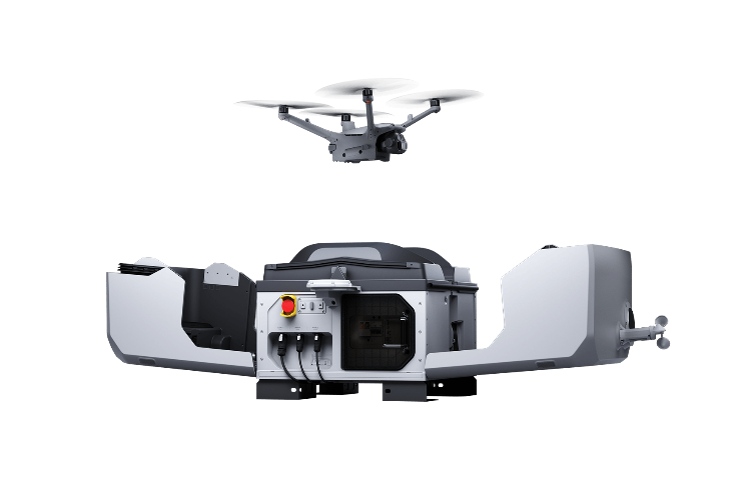
DJI now offers an end-to-end solution for automated, scheduled flights for more consistent change detection and reporting.
The system consists of:
· DJI Dock 3
· DJI Matice 4D (Typical Survey) or DJI Matrice 4TD (Thermal Reconstruction)
· DJI Flight Hub 2
· DJI Terra
Key Features
• Remote site management. The dock stays flight-ready. Mission is initiated without travelling to the pit, setting up, or waiting on site access.
• Scheduled and on-demand capture. Missions run to a set schedule, or launch on request within minutes, including immediately after a blast, once dust has cleared.
• Identical parameters every flight. Routes, altitudes and no-fly polygons are identified in FlightHub 2. Each survey in a series is directly comparable to the last.
• Automated processing handoff. API integration routes data to DJI Terra, Propeller Aero, Strayos, Pix4D, Agisoft Metashape or DroneDeploy for automatic photogrammetry, volumetric reporting and change detection.
Application Scenarios
Volumetric Reporting
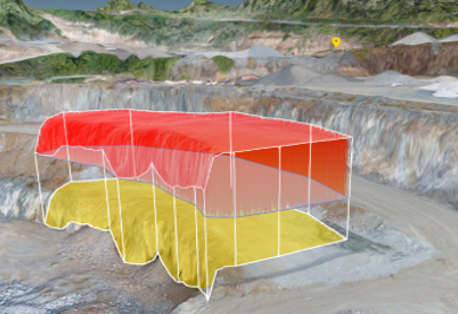
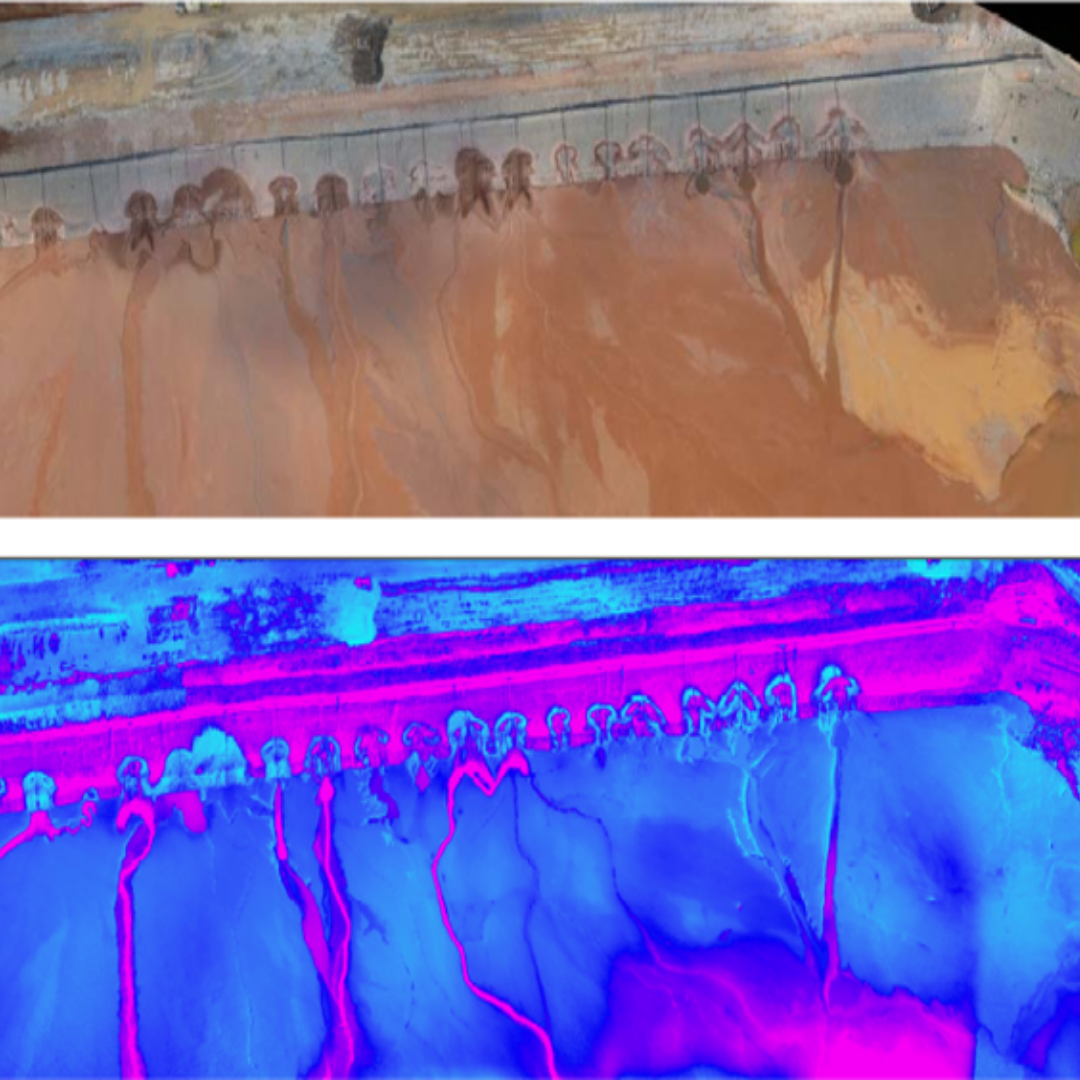
Daily stockpile and excavation volumetrics run on schedule and processed automatically. Dock imagery uploads to a cloud server via API integration and generates a daily PDF report of volumetric change across active mining areas.
Post-blast survey inside the production window
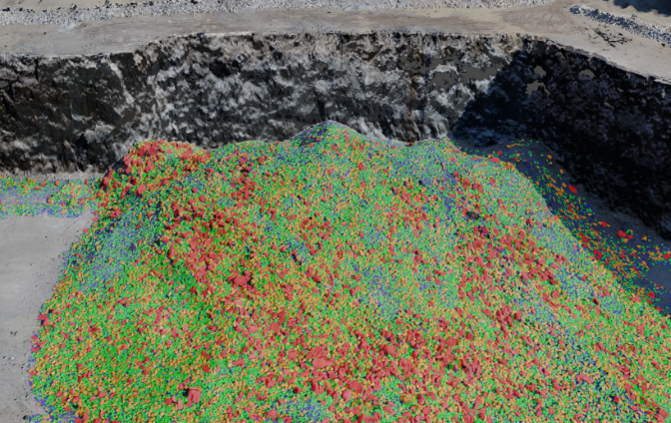
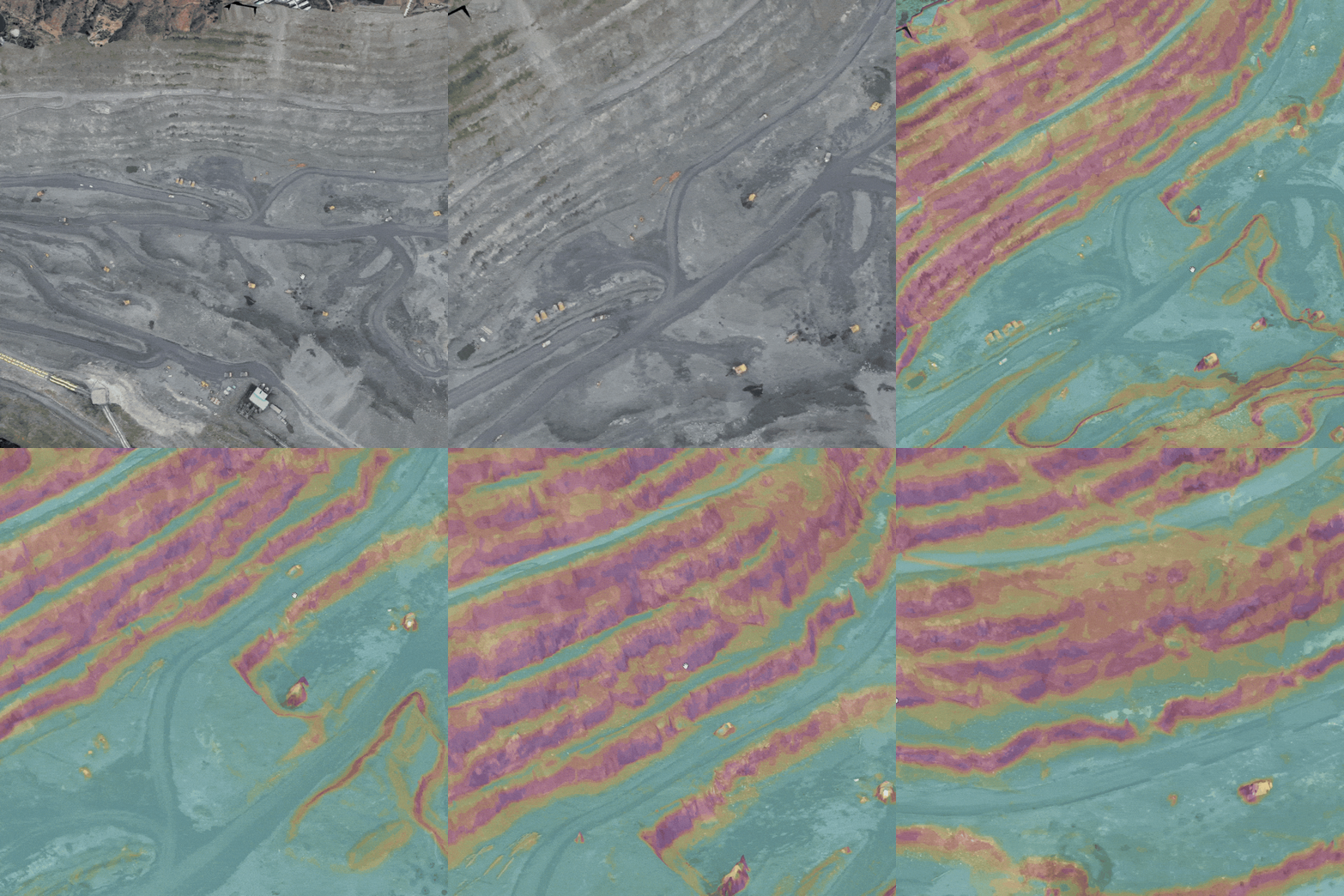
The remote pilot can be airborne as soon as dust clears, with data transfer starting the moment the aircraft lands. The same drone can then fly a post-blast safety inspection for misfires and cavities, removing the need for personnel to walk over the muck pile.
Conformance reporting and change series
Oblique pit wall surveys create a comparable series for conformance-to-design assessment, wall slip back-analysis and berm monitoring. Dock users can survey open pits for conformance far more frequently than they could under conventional VLOS operations.
Thermal drones support:
· Tailings and pipeline inspection
· Environmental and rehabilitation monitoring
· Emergency response
· Equipment Inspection
· Night-time Security
0.5 hrs
post-blast capture and processing, down from 1.2 hrs
Results:
• Surveyors return to survey work. Capture no longer competes with analysis and reporting. The automated pipeline fits right into the workflow.
• Data arrives inside the decision window. Post-blast survey turnaround drops from 1.2 hours to 0.5.
• A comparable record over time. Repeatable parameters and automated processing produce a consistent series that feeds into conformance reporting, change detection and contractual quality assurance.
• Reduced exposure. Geotechnical inspections, pipeline patrols and post-blast checks are completed without sending personnel into active pit areas.
• Scales without headcount. One remote operating centre can manage multiple docks across multiple sites, with a single dock supporting over 50 flight hours per month.
50
flight hours per month from a single dock
150-200
individual flights per month per dock
0
pilots required on site
Not sure which solution fits your needs? Let us help.
Tell us a little about your industry or project type, and our team will reach out to discuss your needs