
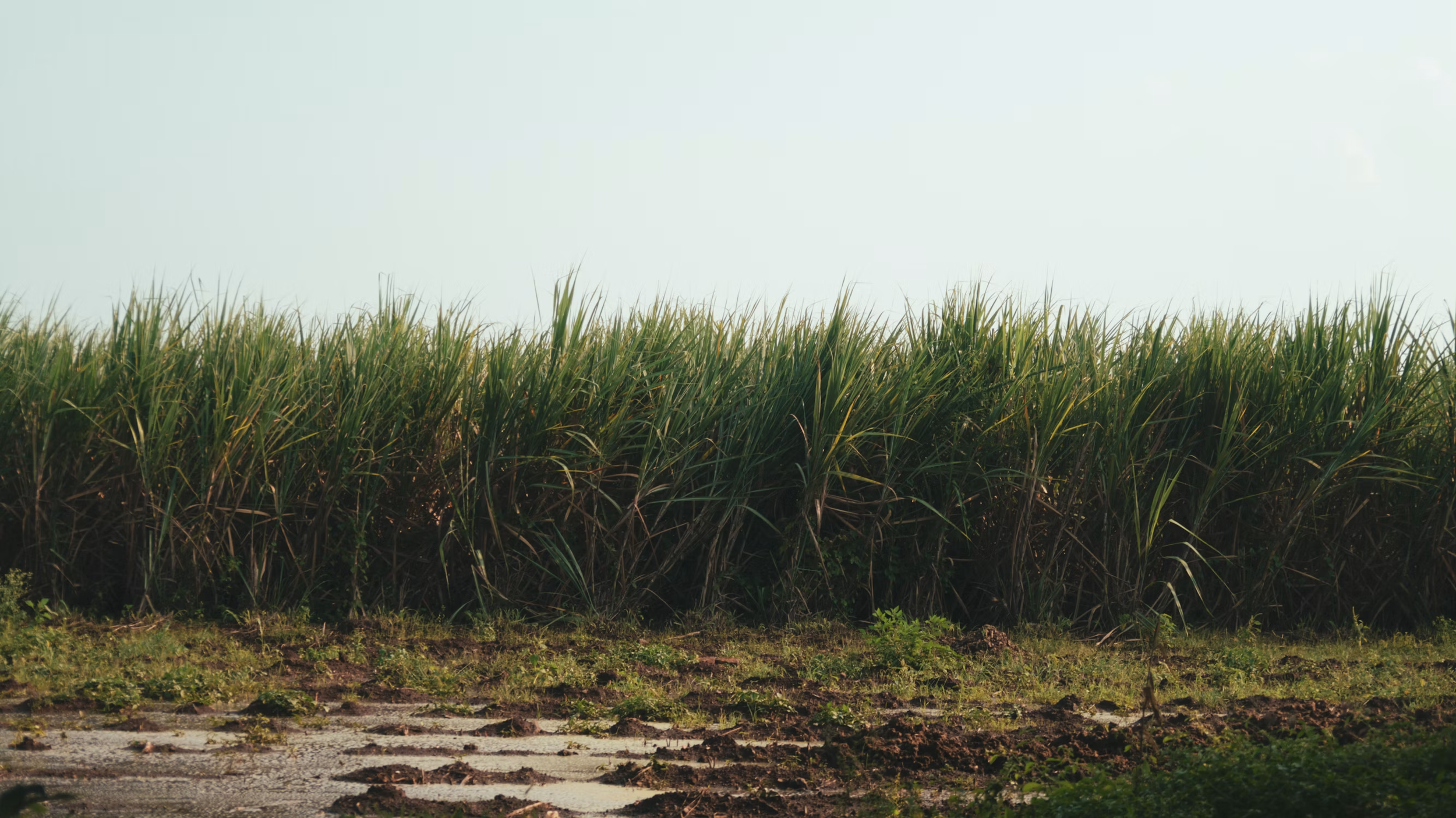
How DJI Agras Drones Are Used in Sugar Cane Fields
WHERE IT'S GROWN
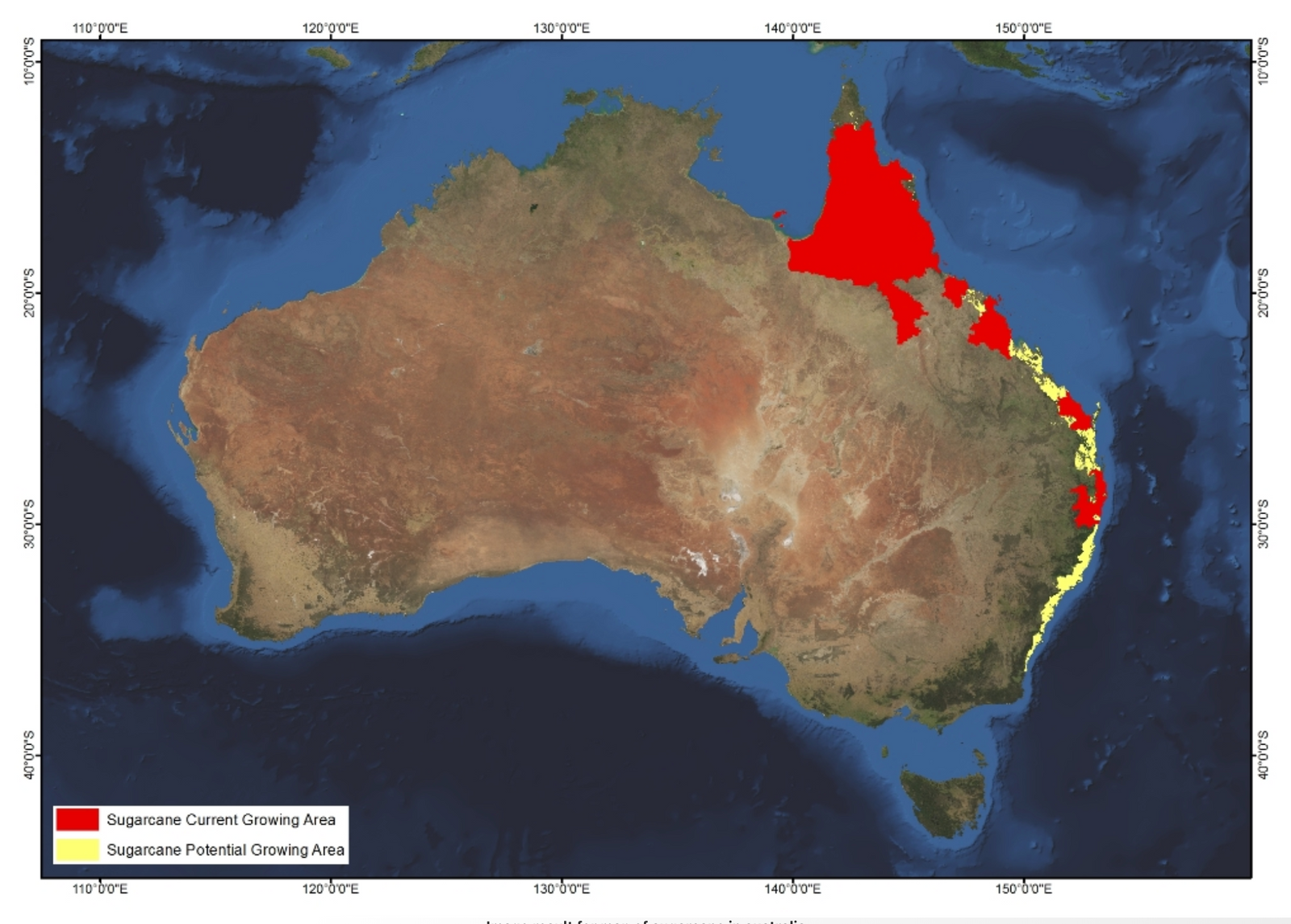
Far North Queensland to Northern NSW
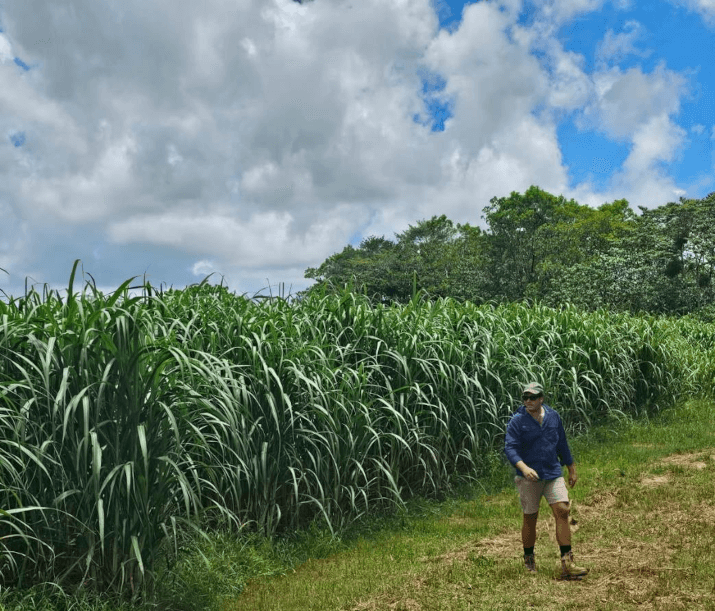
Sugar cane runs along 2,100 km of Australia's eastern seaboard -from Mossman, north of Cairns, through the Queensland coast to the Northern Rivers of New South Wales. Commercial production here dates back to the 1860s
The Australian Sugar Cane Industry
Australian cane production at a glance
Australia’s sugar cane industry spans five major growing regions, from Mossman in Far North Queensland to the Northern Rivers of NSW, supplying 21 sugar mills along the eastern coast. Around 29.9 million tonnes of cane are harvested across 341,084 hectares each year, supported by approximately 3,700–4,000 farm businesses. With Queensland farms typically ranging from 40 to 250 hectares, sugar cane represents a significant agricultural industry with diverse operational requirements.
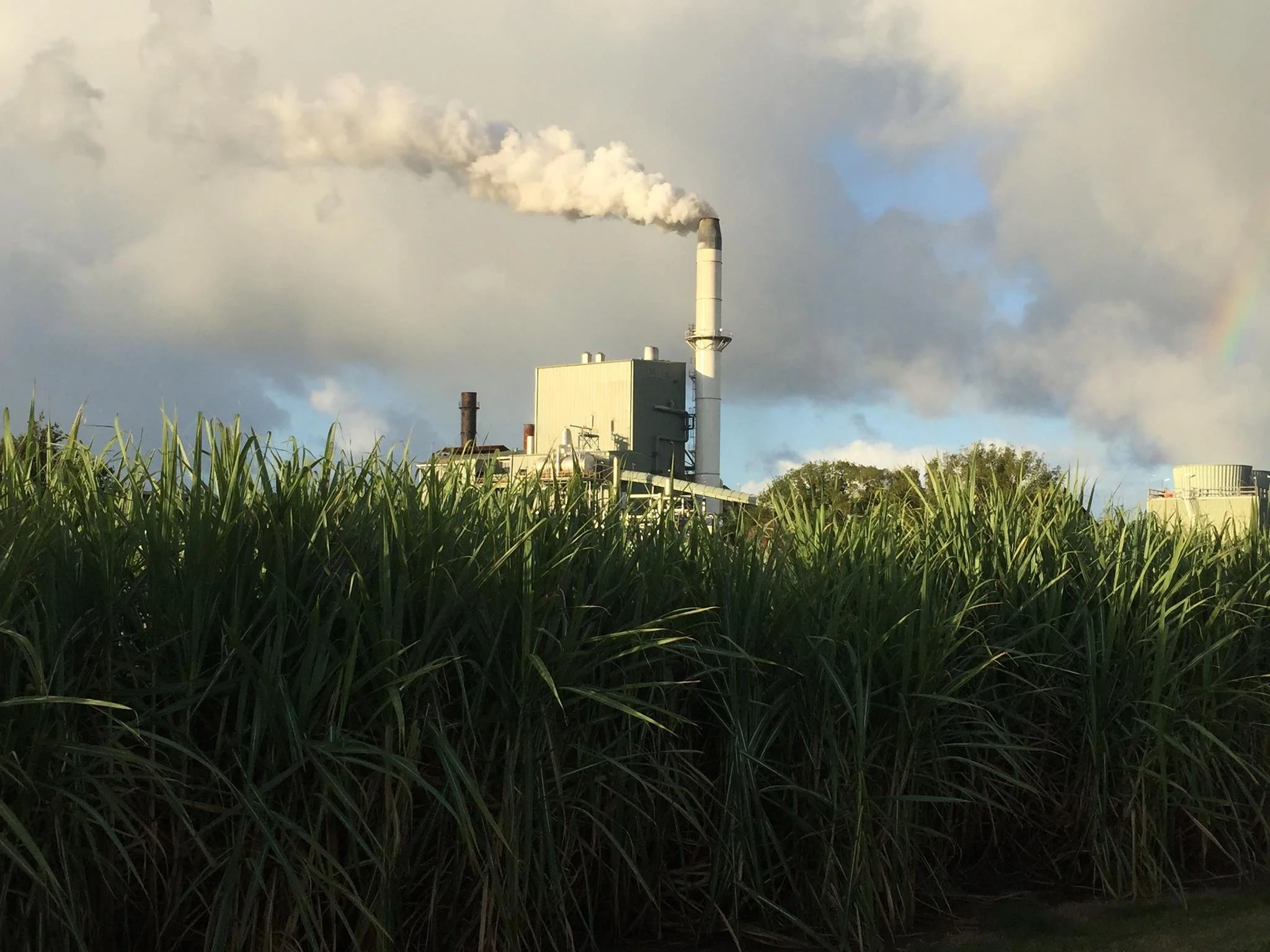
Photo from progressive traveller, 2026
Raw sugar -grown locally, sold globally
Almost all Australian cane is processed into raw sugar, with around 80% exported to international markets including South Korea, Japan, Indonesia and the United Kingdom. The industry contributes approximately $2.5 billion annually to the Australian economy, highlighting the importance of efficient and adaptable farming practices and the potential for precision agriculture.
WHY AGRAS FOR SUGAR CANE
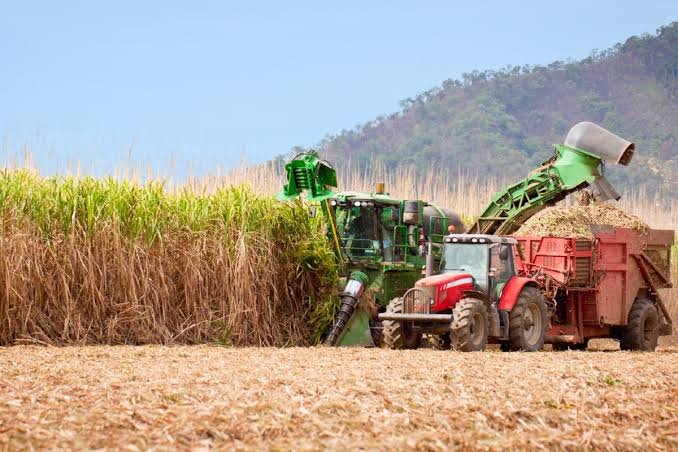
Ground-rig operations can cause repeated wheel-traffic damage to sugar cane stools, as typical cane rows are spaced at around 1.5 m while ground-rig tracks average 1.83 m wide. Repeated passes can compact the soil and damage roots, reducing ratoon yield over successive crop cycles. In comparison, DJI Agras drones operate without ground contact, allowing treatment on wet or waterlogged fields while providing precise chemical application and RTK-guided passes with up to 10 mm positioning accuracy.
TREATMENT PROGRAM
When and where DJI Agras can be applied
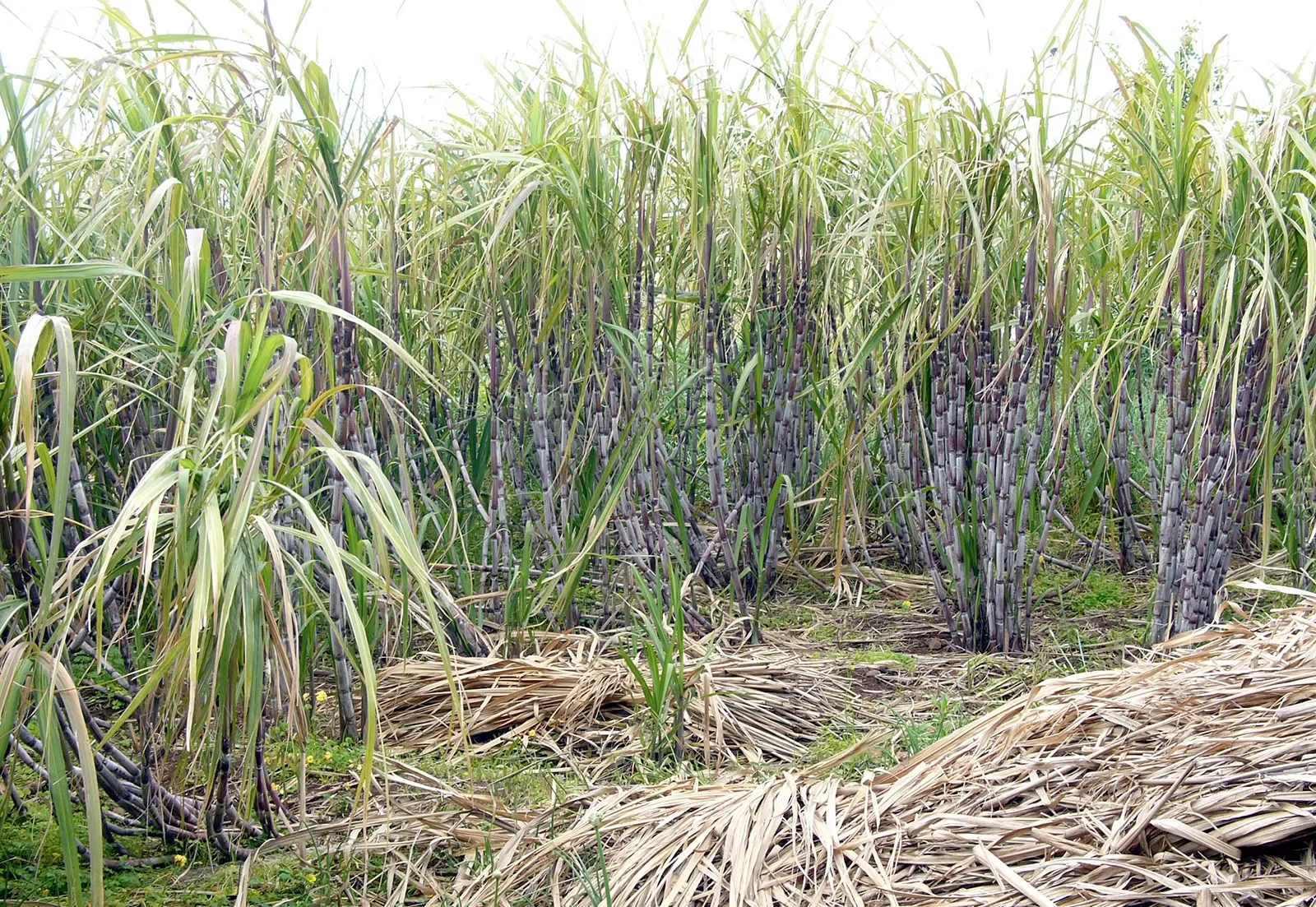
The plant crop runs 0-18 months from planting to harvest, and the spray & spreading program follows the same window -not a generic 12-month calendar. Each pass is a candidate for drone application, particularly when paddocks are too wet for a ground rig.
Herbicide and fertiliser applications occur at several stages through the crop cycle. Fast, accurate drone passes help ensure treatments land at the right time while minimising crop damage

TREATMENTS -SPRAYING
Herbicide: advantages and field results
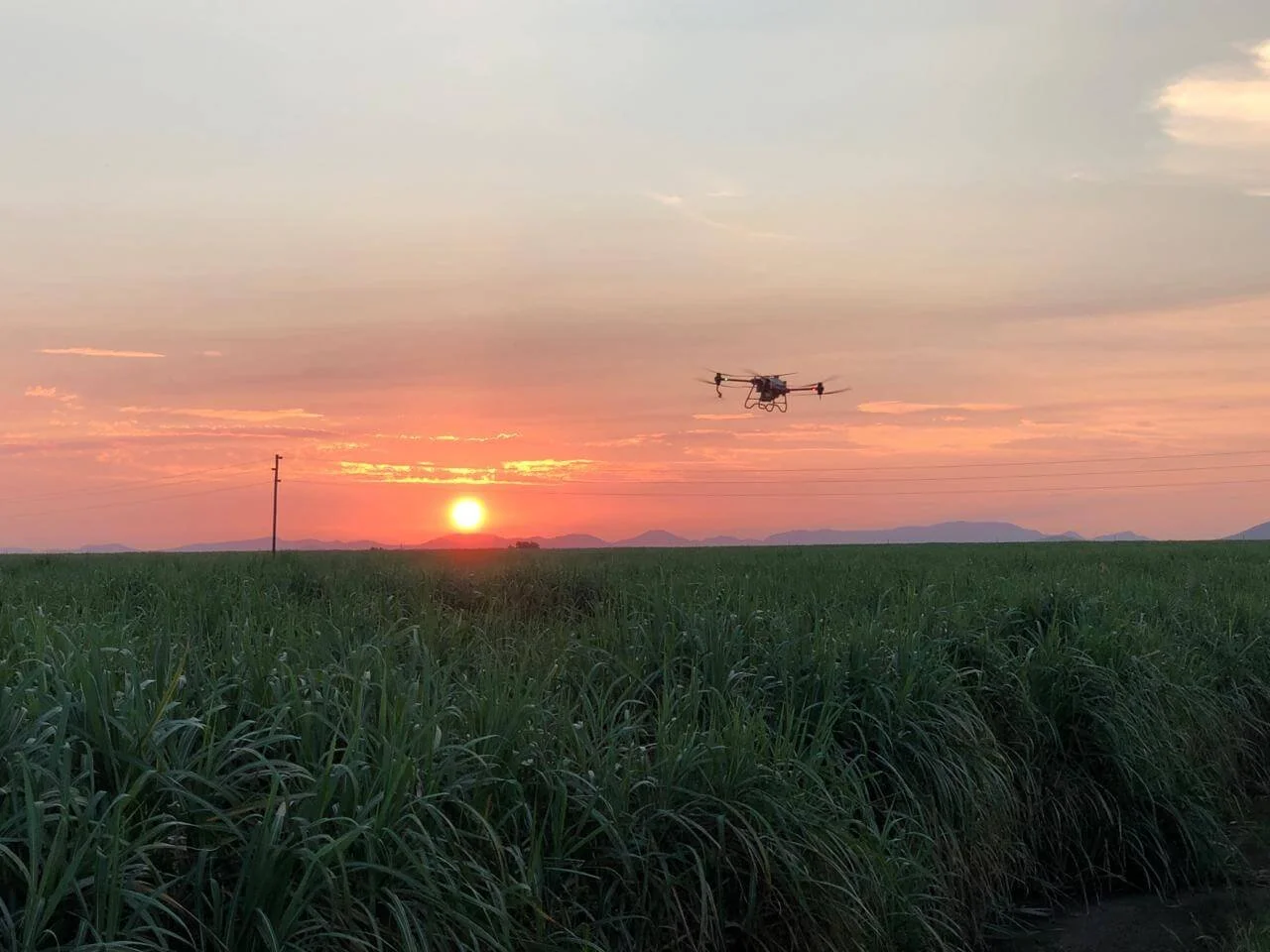
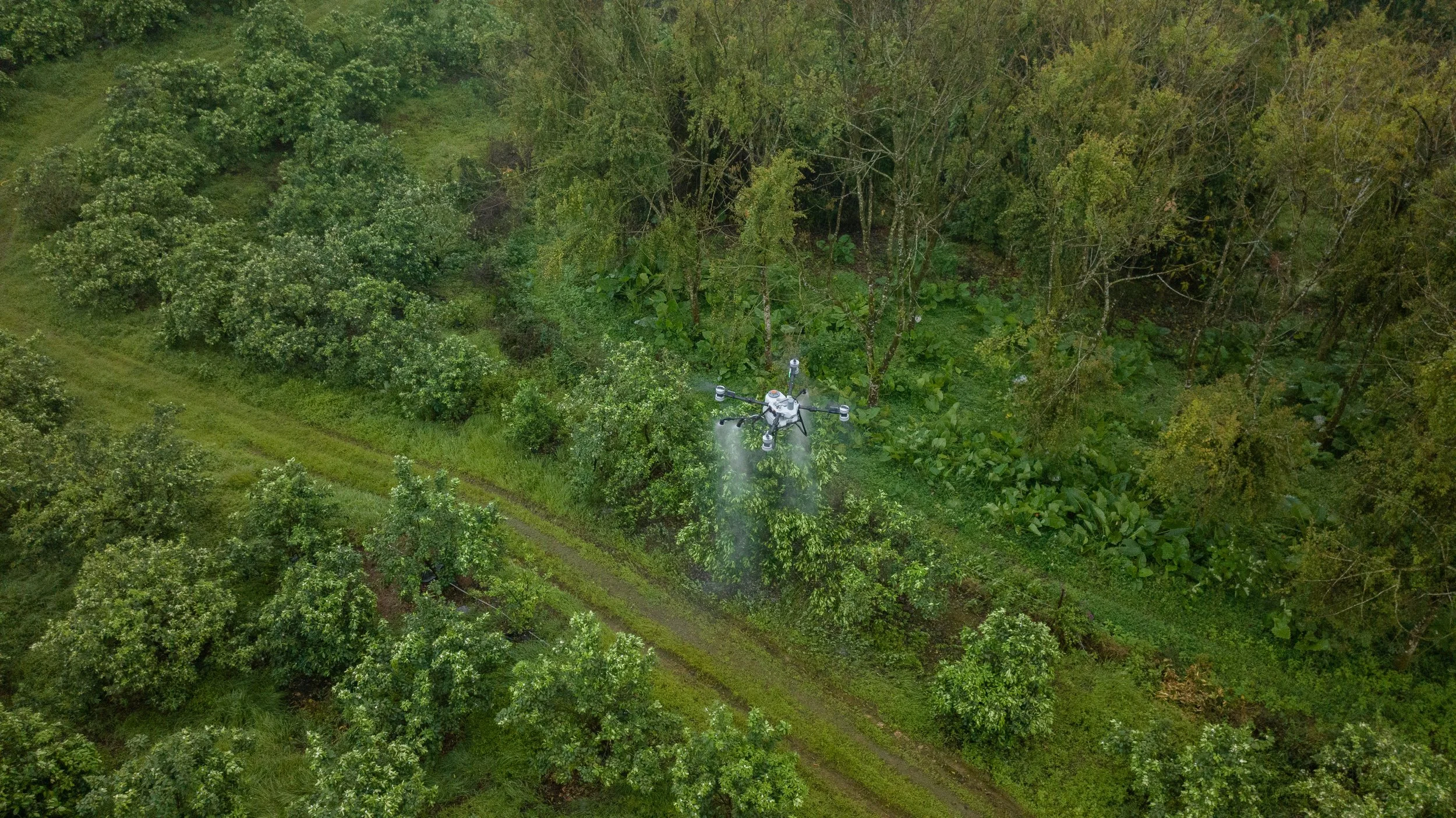
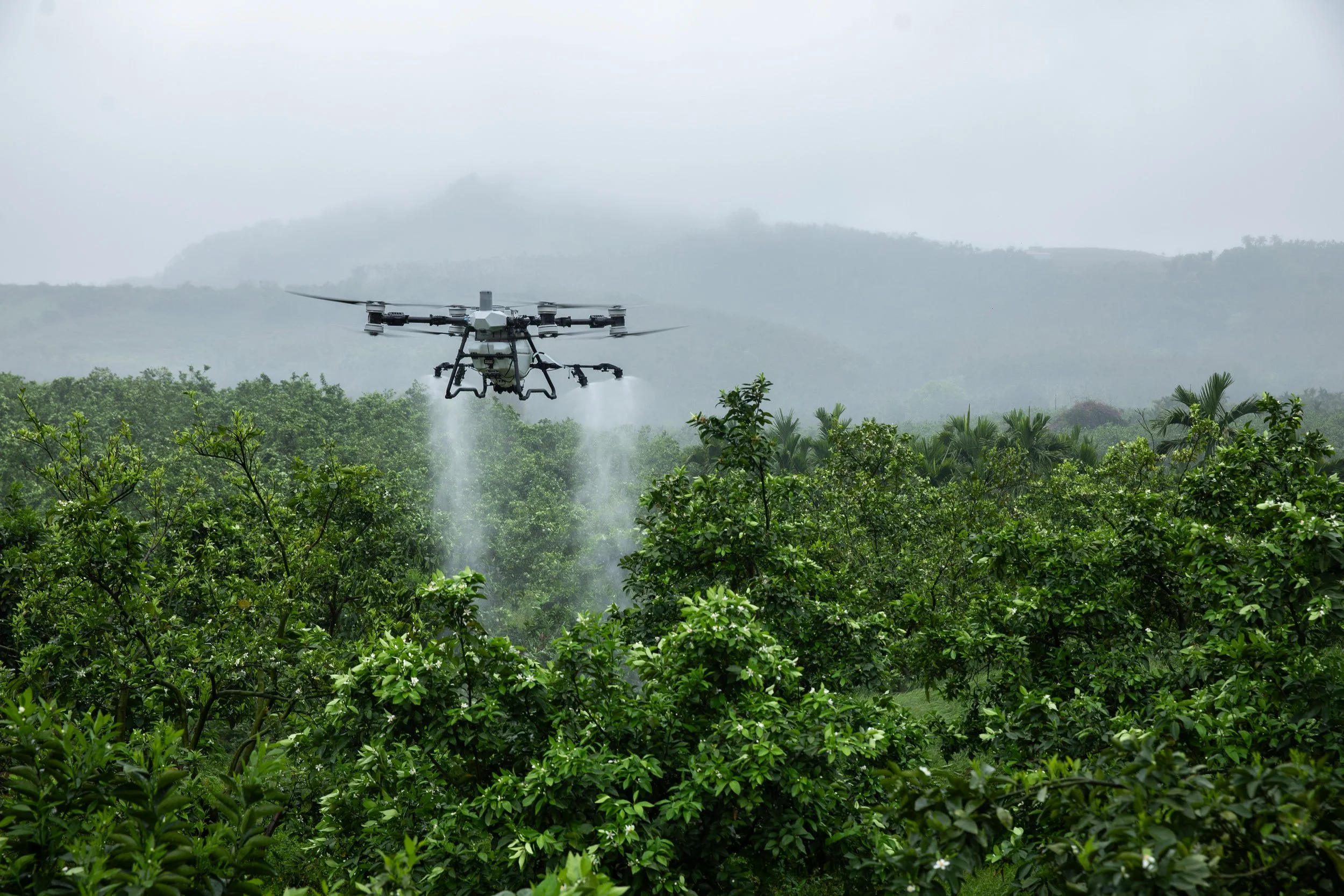
Herbicide applications are an important part of sugar cane establishment and early tillering, helping control weeds during the crop’s most vulnerable stages. DJI Agras drones provide a precise and flexible alternative for these treatments, with adjustable spray widths, droplet sizes and RTK positioning accuracy. Their rapid deployment and ability to operate after rainfall can help reduce soil compaction and improve application timing, supporting better weed control, healthier crop establishment and more efficient input use.
TREATMENTS -SPREADING
Fertiliser and seed / seedling inputs
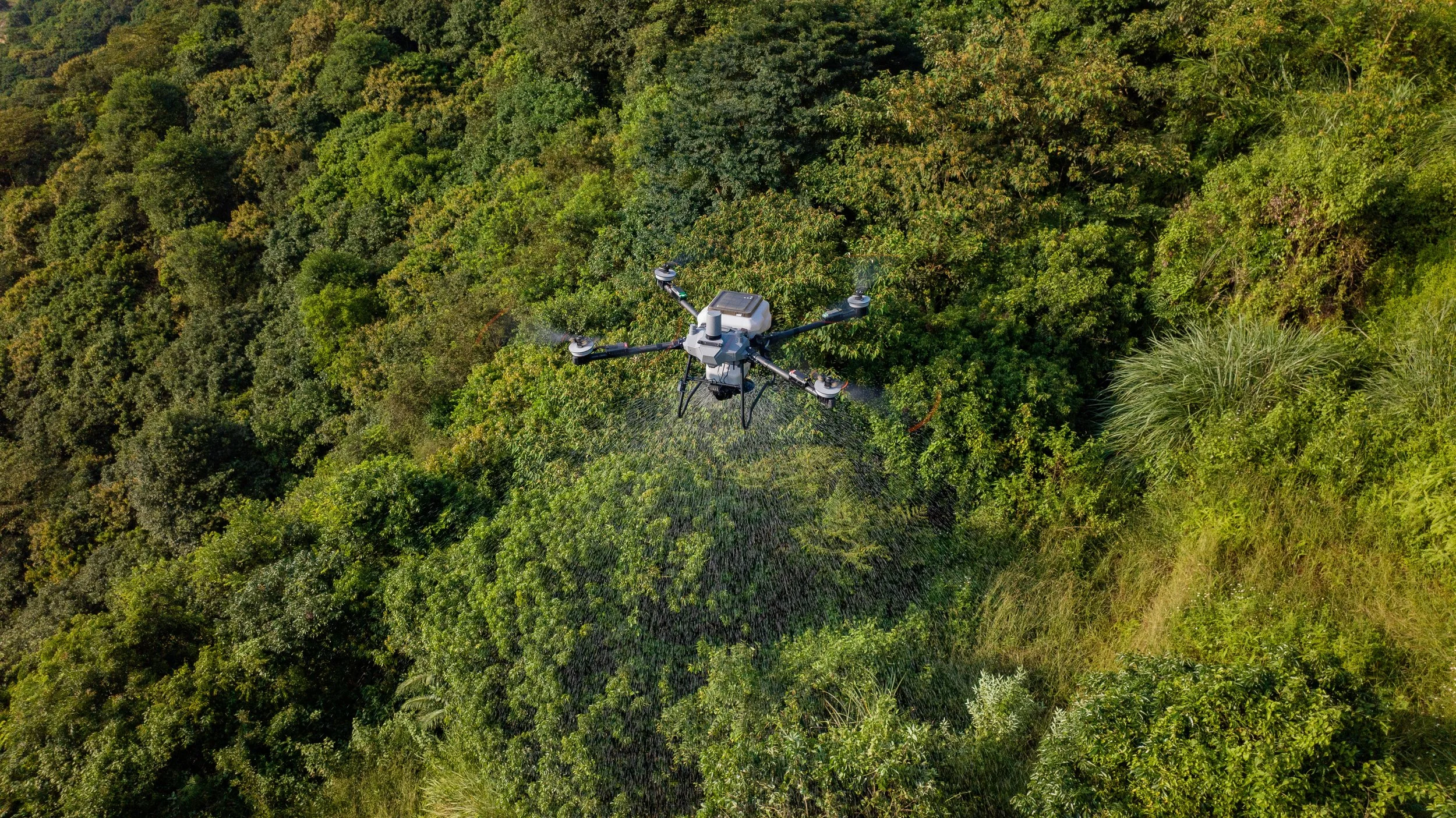
Beyond liquid spraying, the DJI Agras T100 can be equipped with a spreading hopper for granular applications such as fertiliser, seed treatment and targeted gap-filling. With a 100 kg operating payload, up to 400 kg/min discharge rate and a 3–10 m effective spreading width, the T100 can deliver granular inputs efficiently across the paddock. This provides an alternative when ground spreader access is limited, particularly in wet conditions, while targeted applications can help avoid unnecessary blanket spreading and improve input efficiency.
COST FOR USING AGRAS T100
Getting the job done in the window that matters
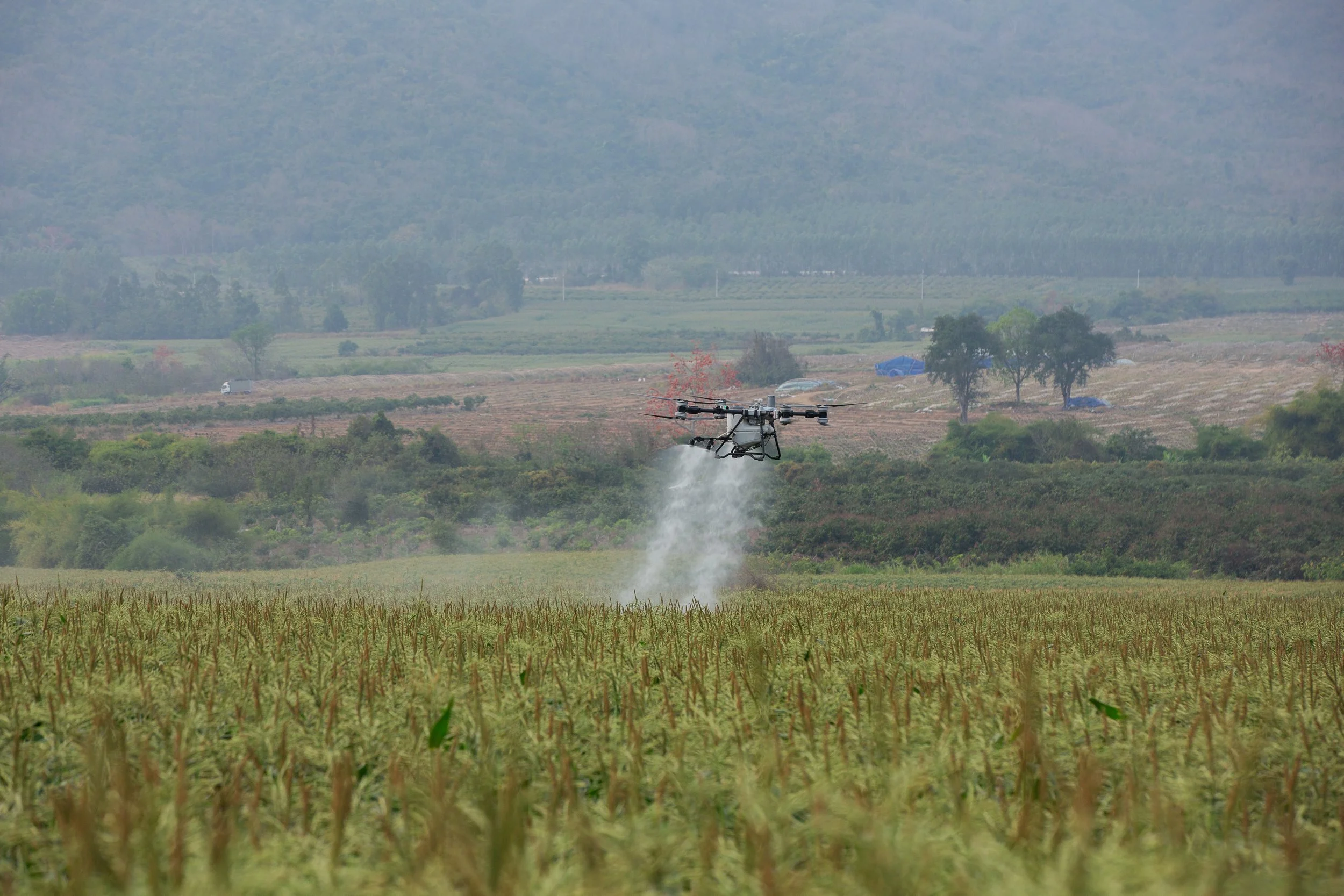
Cost: $50-60ha
Wet-ground access: Excellent –flies and lands on soft ground
Compaction risk: None (aerial)
Typical daily coverage: up to 160 ha / day
20+ ha/hr — Typical work rate for large broadacre paddocks at 20 L/ha.
~7 hours — Estimated time for the T100 to cover a 150 ha block.
8–9 min recharge — Faster battery turnaround helps reduce downtime between loads.
Access after rain — Can operate when wet conditions prevent ground rigs from entering paddocks.
Less ground damage — No wheel ruts or soil disturbance during treatment.
Better timing — Helps growers make the most of narrow treatment windows and complete time-critical work when conditions are right.
From 280 Hectares to 5,000+ Hectares
Matt Stone | Sugarcane Grower | Calen, Queensland
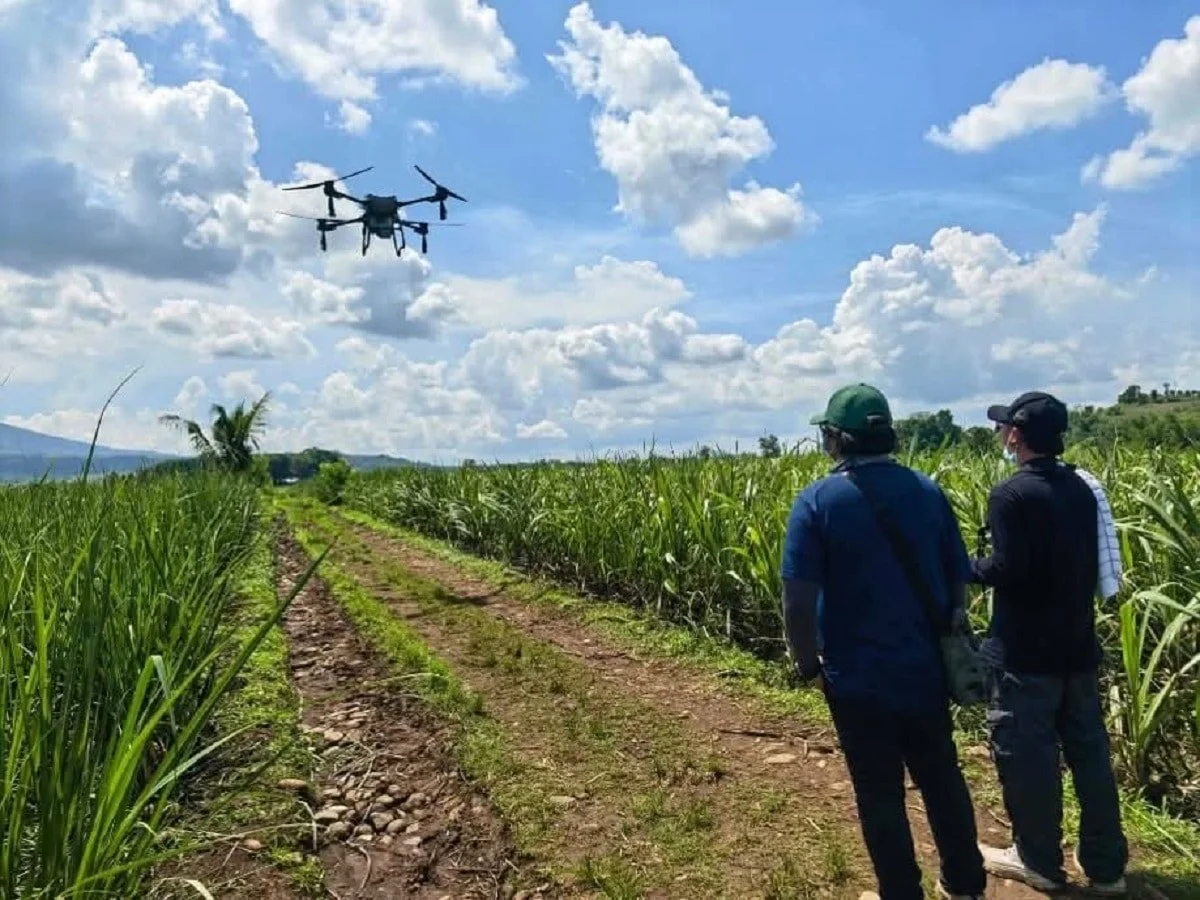
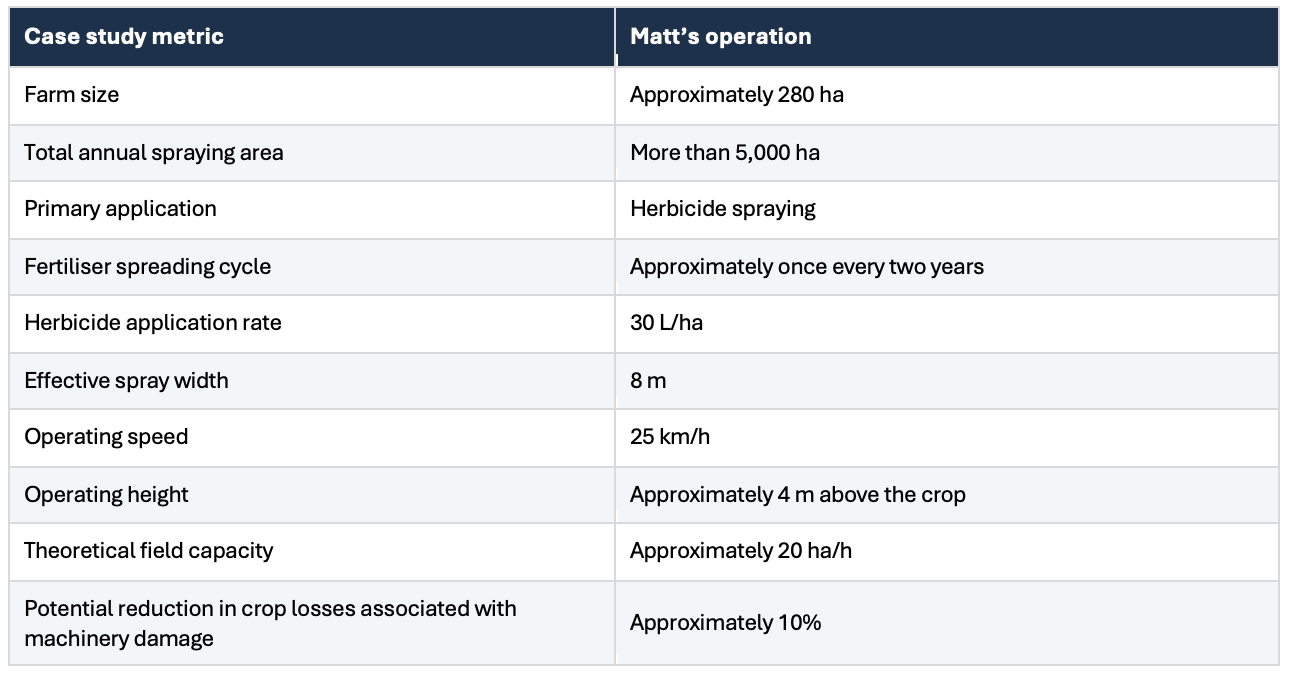
Based near Calen, Queensland, Matt operates approximately 280 hectares of sugarcane, using the T100 primarily for annual herbicide applications and fertiliser spreading on an approximately two-year cycle. After completing his RePL training and obtaining the relevant ReOC with EE Group’s assistance, Matt began putting the T100 to work on his own farm.
But the way he uses the aircraft has grown beyond his own farm.
Once the annual spraying work on his property is completed, Matt uses the same T100 to provide spraying services to neighbouring growers.
Today, his total annual spraying workload has grown to more than 5,000 hectares.
Why Matt Uses a Drone in Sugarcane
For Matt, the biggest advantage isn’t simply about getting the job done faster or reducing the direct cost of application.
It is about how the job can be done without putting unnecessary machinery through the crop.
Large ground machinery does not need to travel between the cane rows, helping reduce potential damage to the crop and ratoon stools, while also reducing soil disturbance.
And when paddocks become too wet for ground machinery, the T100 provides Matt with another way to access important application windows.
For aerial application, the drone can also operate at a lower height and work in smaller sections, while allowing the operator to plan flight paths and application settings around the job.
A Working Aircraft, Not Just a Farm Machine
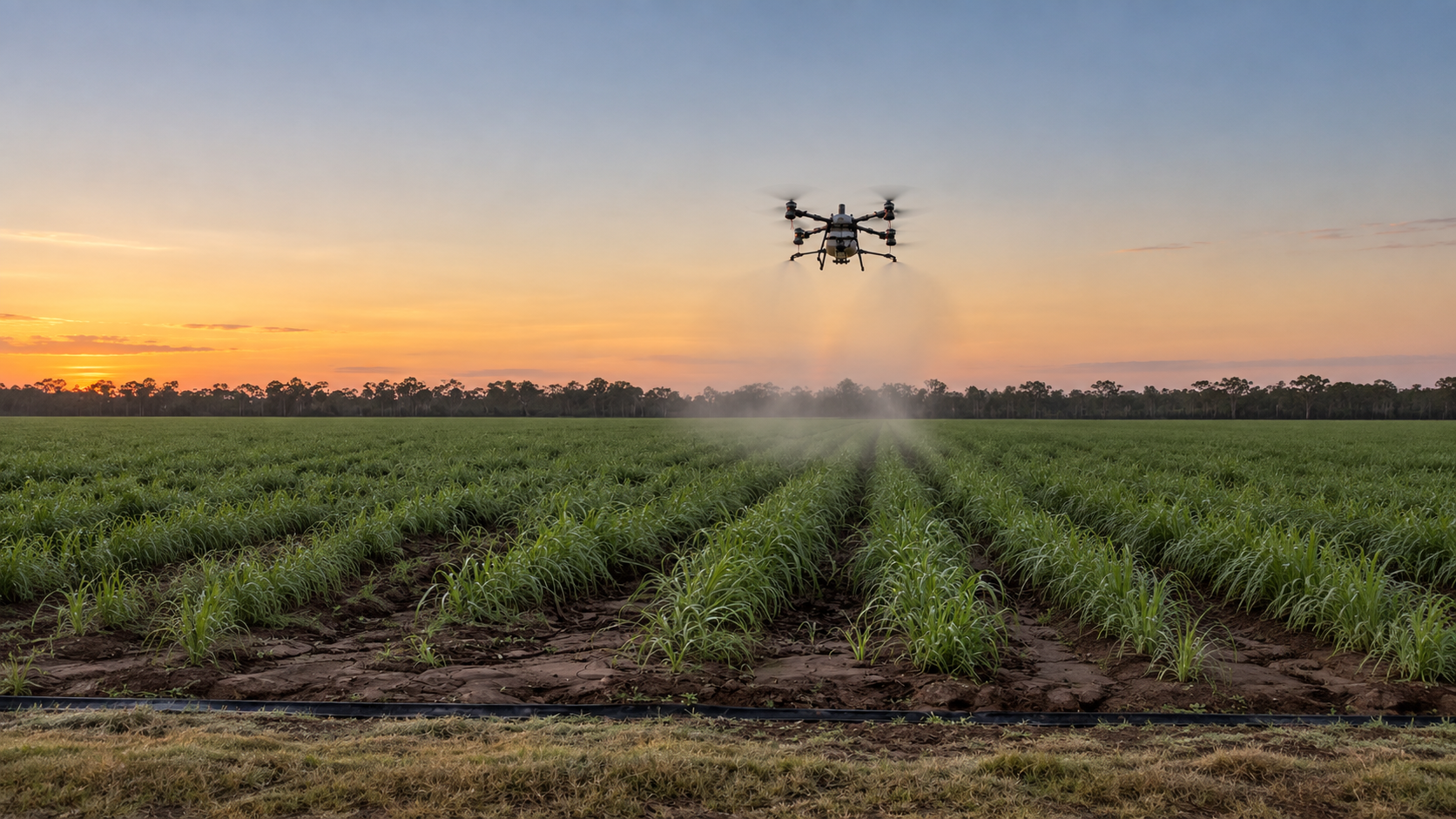
Matt’s experience also demonstrates another way to look at agricultural drone utilisation.
The aircraft is not only used during the spraying window on his own farm.
After completing his own 280 hectares, Matt puts the same equipment to work across neighbouring properties.
As the workload expands across multiple properties, DJI SmartFarm helps bring these operations into a more structured digital workflow — from creating fields and planning routes to setting application parameters, completing the operation and reviewing records afterwards.
This means the T100 serves two purposes:
On-farm application
Protecting and managing his own sugarcane crop.
Contract spraying
Providing application services to other growers.
The result is an annual workload of more than 5,000 hectares.
What Matt Has Seen in the Field
“For me, the biggest benefit of using the T100 has not been a major change in operating time or cost. It is the ability to reduce crop damage from machinery travelling through the cane and to better manage spray drift during aerial application.”
Matt estimates that reducing machinery-related damage may help avoid around 10% in associated crop losses, based on what he has observed in the field. This should remain clearly presented as his estimate/experience, rather than an independently verified performance result.